
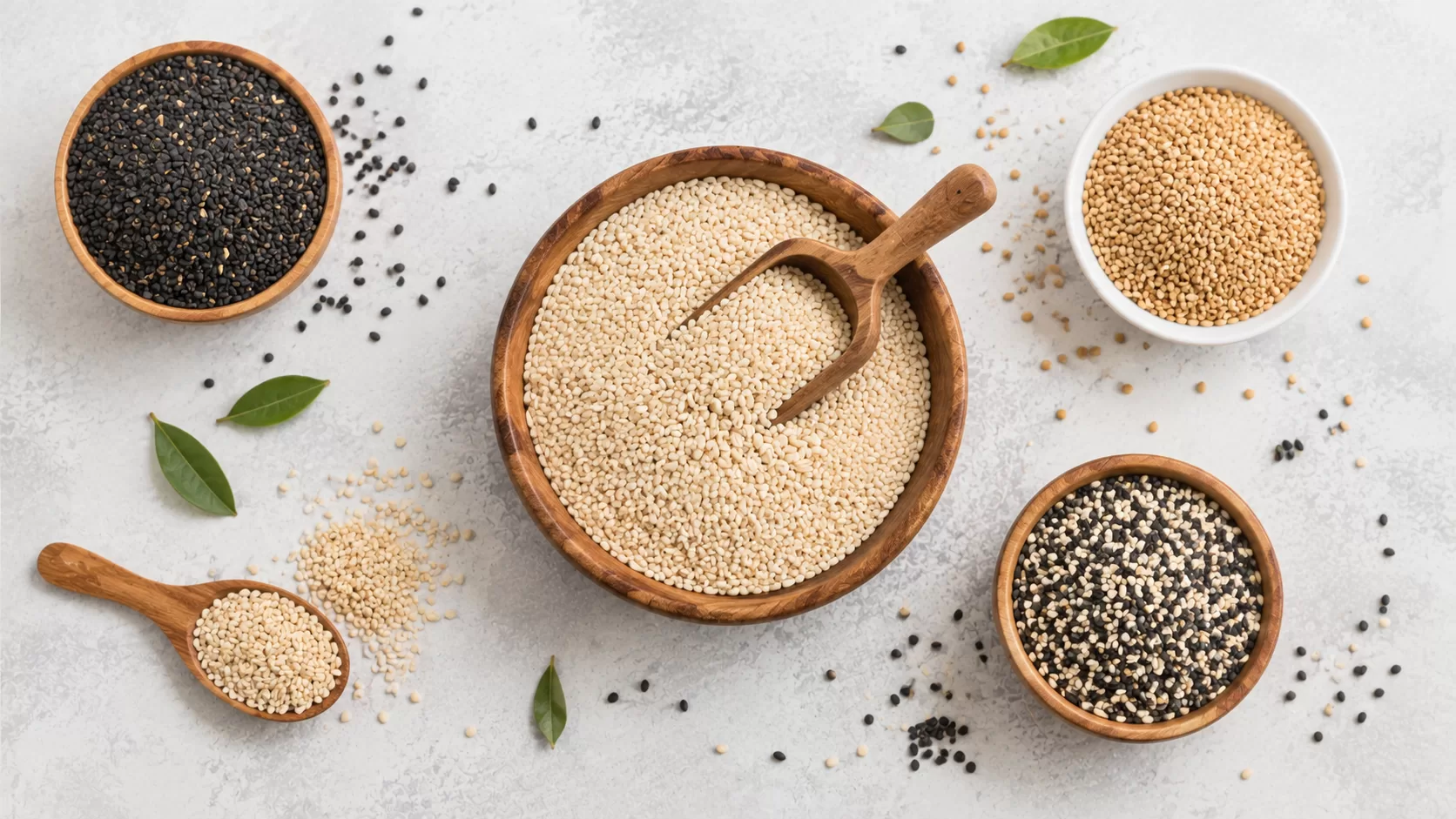
Sesame seeds are a fundamental ingredient in a wide spectrum of food manufacturing, bakery, and export operations across Malaysia. Their unique nutty flavor, impressive nutritional value, and versatility make them essential for everything from baked goods and confectionery to sauces, snacks, and international food products. Yet, with rising demand and a complex supply landscape, finding the right sesame seeds supplier in Malaysia is more critical — and challenging — than ever. For readers comparing options, Sesame Seeds Supplier Malaysia is the main topic this guide explains.
Understanding the Malaysian Sesame Seeds Supply Chain
The Malaysian sesame seeds market is characterized by diverse sourcing origins, quality standards, regulatory requirements, and distribution channels. Most sesame seeds are imported, with suppliers managing logistics from global sources and ensuring compliance with Malaysian food safety and halal standards. The market serves a broad audience, including food processing companies, bakeries, confectionery manufacturers, and international traders seeking dependable supply partners.
Key elements in the supply chain include:
- Sourcing: Reliable suppliers source from trusted farms and international partners, including origins such as India, Africa, and Southeast Asia. Traceability and consistency are essential, especially for businesses requiring white hulled or black sesame seeds in bulk.
- Quality Control: Reputable suppliers implement rigorous inspection, cleaning, and packaging protocols to ensure product purity, freshness, and food safety.
- Distribution: Efficient warehousing and logistics ensure timely delivery, supporting manufacturers with steady ingredient supply for continuous operations.
Why Supplier Selection Matters for Food Businesses
Choosing the right sesame seeds supplier impacts more than just cost — it directly affects product quality, food safety, and business continuity. Food processors, bakeries, and exporters must prioritize partners who are committed to:
- Consistent Quality: Fluctuations in color, flavor, or cleanliness can impact recipe outcomes and consumer trust. Top suppliers maintain high standards for processing and storage, verified by certifications such as ISO and halal.
- Food Safety: With growing regulatory scrutiny, suppliers must adhere to stringent food safety practices and supply clear documentation for audits and traceability.
- Reliable Availability: Disruptions in ingredient supply can halt production. Established suppliers with robust sourcing networks and warehousing capacity can buffer against market fluctuations.
- Product Variety: Leading suppliers offer both white and black sesame seeds, as well as other oil seeds, grains, and pulses, supporting diverse product lines and manufacturing needs.
Key Criteria for Evaluating a Sesame Seeds Supplier in Malaysia
Identifying a trustworthy supplier requires a strategic approach. Consider these criteria during your selection process:
- Experience & Reputation: Suppliers with decades of experience, established facilities, and positive industry standing are more likely to understand local and international quality expectations.
- Certifications: Look for ISO, HACCP, and JAKIM Halal certifications, which demonstrate commitment to food safety and quality management systems. This is especially crucial for food processors and exporters.
- Product Range: Evaluate whether the supplier can provide a full spectrum of oil seeds, spices, beans, lentils, and nuts. One-stop suppliers simplify procurement and logistics.
- Quality Assurance Processes: Ask about testing, cleaning, and packaging procedures. Reputable suppliers should be transparent about how they mitigate contamination and maintain seed freshness.
- Supply Capacity & Flexibility: Can the supplier meet your volume requirements, accommodate urgent orders, or scale during seasonal demand spikes?
- Customer Support & Communication: Efficient communication, technical support, and responsive account management are crucial — especially for export operations and custom product specifications.
Best Practices for Building Long-Term Supplier Partnerships
Once you’ve shortlisted potential sesame seeds suppliers in Malaysia, focus on building a relationship that supports quality, transparency, and growth. Here are some best practices:
- Start with Smaller Orders: Test product quality and supplier responsiveness with initial trial orders before scaling up.
- Request Documentation: Ask for certificates of analysis, halal certificates, and details on origin and processing.
- Visit Facilities: Where possible, visit the supplier’s warehouse or processing center to observe hygiene, storage, and packaging standards firsthand.
- Set Clear Expectations: Define quality parameters, delivery timelines, and communication protocols upfront.
- Monitor Performance: Regularly review supplier performance, product consistency, and service reliability to ensure they continue to meet your evolving needs.
Beyond Sesame Seeds: The Value of a Comprehensive Ingredient Supplier
Many leading food businesses and exporters prefer to partner with suppliers who offer a broad portfolio of ingredients. In addition to sesame seeds, a well-established supplier can provide:
- Spices such as black pepper, green cardamom, cinnamon, and cloves
- Beans and pulses, including red lentils, yellow dhal, and urad dhal
- Dry fruits and nuts (for example, almonds and sultana raisins)
- Oil seeds, grains, and specialty items like candle nuts
This comprehensive approach not only streamlines procurement but also ensures consistent quality, coordinated logistics, and cost efficiencies. For food manufacturers and bakeries preparing diverse products, this single-source model can be a game-changer.
Conclusion: Making an Informed Supplier Choice
Navigating the sesame seeds market in Malaysia requires more than a price comparison. Food processing companies, bakeries, and import/export businesses should prioritize suppliers who deliver proven quality, food safety, strong logistics, and a broad ingredient range. By evaluating experience, certifications, supply capabilities, and communication, you can establish reliable partnerships that support your business growth and product excellence for years to come.
Frequently Asked Questions
What certifications should a sesame seeds supplier in Malaysia have?
A reputable sesame seeds supplier in Malaysia should offer ISO certification, JAKIM Halal certification, and preferably HACCP or other food safety certifications. These credentials ensure the supplier follows strict quality and safety procedures, which is crucial for commercial food producers and exporters.
How can I ensure consistent quality when sourcing sesame seeds in bulk?
To ensure consistent quality, partner with suppliers who have transparent sourcing, robust quality control processes, and provide certificates of analysis. Visiting the supplier’s facility and starting with trial orders can also help verify quality before committing to large-scale purchases.
Can Malaysian suppliers provide both white and black sesame seeds?
Yes, established Malaysian suppliers typically offer both white hulled and black sesame seeds. They may also supply related products such as poppy seeds, beans, lentils, and a range of spices to meet various culinary and manufacturing needs.
What other ingredients do leading sesame seeds suppliers in Malaysia offer?
Aside from sesame seeds, leading suppliers often provide spices (like black pepper, green cardamom, cinnamon), lentils, beans, dry fruits, nuts (such as almonds), and specialty items like candle nuts. This allows food manufacturers and exporters to streamline sourcing through a single, trusted partner.
Why is it important to build long-term relationships with ingredient suppliers?
Long-term relationships foster trust, consistent quality, reliable supply, and better communication. Reliable partnerships help businesses better manage production schedules, respond to market changes, and ensure food safety and compliance over time.
Partner with Sheng Kimn Hong Sdn. Bhd. for Trusted Sesame Seeds Supply
Since 1993, Sheng Kimn Hong Sdn. Bhd. has been a leading sesame seeds supplier in Malaysia, serving food processors, bakeries, and exporters with a full range of certified spices, oil seeds, beans, pulses, dry fruits, and nuts. Our commitment to quality, food safety, and reliable supply ensures your business gets the consistency and flexibility it needs to thrive. Discover how our extensive product range and expertise can support your growth and product innovation.